

.png)
Buying a Property Near the Beach in Costa da Caparica: What to Check
Costa da Caparica's beachfront and near-beach properties are some of the most requested on our list, and for good reason. But coastal living comes with a few practical realities that aren't always obvious on a first viewing. Here's what we tell our buyers to check before they commit to a property near the beach.

Check for Humidity Before You Buy
The Smell Test, and When to Call a Surveyor
- Trust your nose: If you notice a smell of humidity anywhere in the building, in the stairwell or in the apartment itself, take it seriously. It's one of the clearest early signs of a moisture problem. If you have any doubt at all, bring in a property surveyor before you commit, they can check humidity levels inside the walls and catch issues that aren't obvious from a single viewing.
Ground Floor Units Run More Humid
- Check before you commit: Ground floor units tend to run more humid than upper floors, simply because they get less sun and airflow. It's not a dealbreaker, but it's worth checking carefully, and factoring in if you're comparing a ground floor unit to one higher up.
Look Closely at the Building Itself
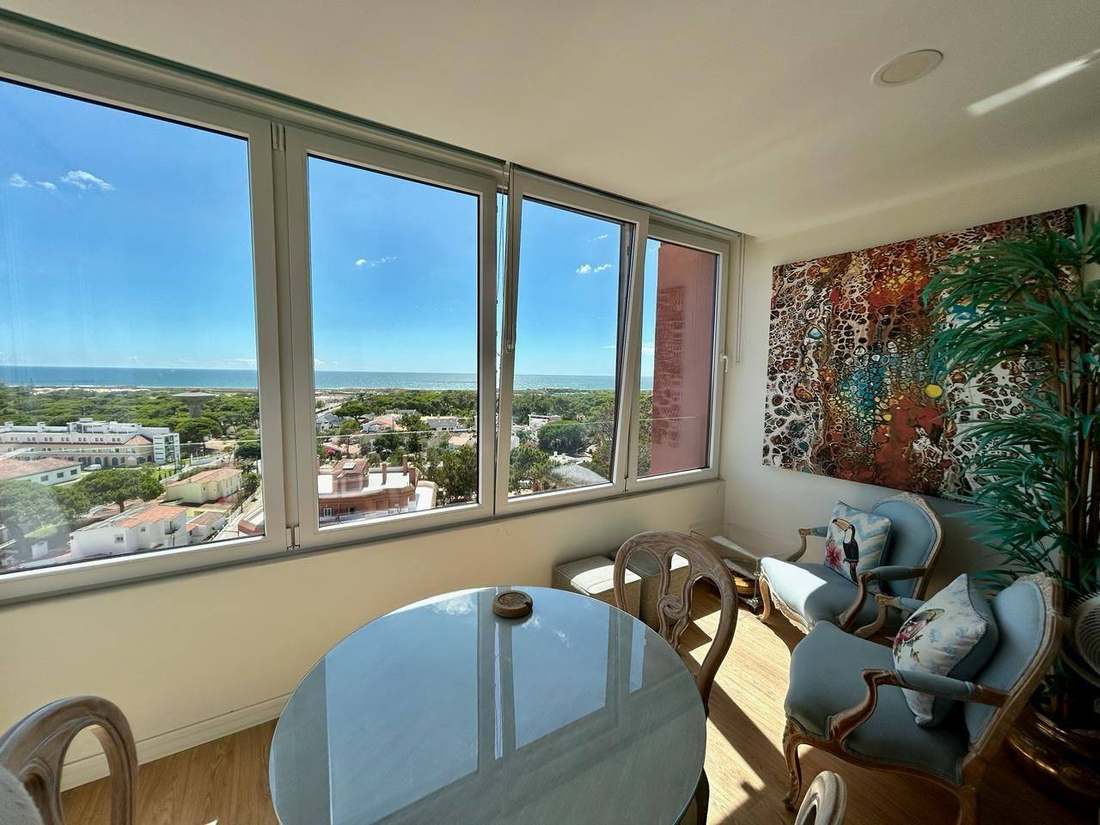
Old, Single-Glazed Windows Add to Your Budget
- Budget for replacement: If the apartment still has old, single-glazed windows, add their replacement to your budget. New windows make a real difference for insulation and comfort year round, not just in winter, and it's one of the most worthwhile upgrades on a coastal property.
Exposition Changes Both Comfort and Price
- North-facing can mean a cold, humid winter: Exposition affects both price and comfort, and it's worth understanding before you buy, not after. A property with full north exposition can be very humid and cold through the winter months, even if it looks bright and appealing on a sunny day when you view it.

Plan for Ongoing Costs and Rules
Short-Term Rental Licensing Isn't Guaranteed
- Check before you buy with rental in mind: If you're planning to do short-term rentals, confirm you can actually get a licence for that specific property before you buy. Many buildings near the beach are no longer allowing new short-term rental licences, so this is worth checking early rather than assuming it's possible.
Oceanfront Means Higher Ongoing Maintenance
- Budget more for upkeep: Properties right on the ocean deal with mold, corrosion and general wear much faster than properties further inland. Keep some budget aside for ongoing maintenance, and expect it to run higher than for a similar property a few streets back from the beach.
Sea Views Can Mean a Valuation Gap
- Have a bigger downpayment ready: A sea view can add a lot to the asking price, but bank valuations don't always agree with that premium. It's common for the bank's valuation to come in lower than the price you're actually closing at, so be ready for that gap and have a bigger downpayment available to cover it.

Conclusion
None of this means you shouldn't buy near the beach, living by the sea is genuinely wonderful, and it can bring strong rental yield too. More people are choosing to trade city life for the beach every year, and a well-located coastal property is usually easy to rent, whether short-term or long-term. It just means going in with your eyes open. Check each of these points carefully before you commit, and get professional help doing it, a good buyer's agent will walk through all of this with you before you make an offer, not after you've already signed.